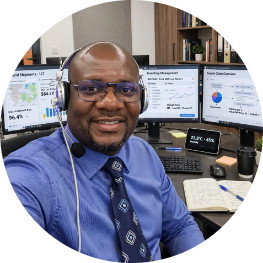

TJ Walker has served as a former president of the US National Speakers Association based in New York City and has written books on media training, public speaking,

By the end of this course, you will be able to:
- Identify the sources of bad body language in the workplace
- Recall what you should do if you make a mistake during a speech
- Outline how you should position yourself when on camera, depending on the situation
- Summarize the best ways to practise before a presentation or talk
- Describe how to conduct different types of presentations and talks
- Paraphrase the do's and don'ts of networking events

By the end of this course, you will be able to:
- Describe the time management model, Selfie Speak Programming (SSP)
- Recognize the importance of time management strategies in all areas of your life
- Identify the single most powerful time management tool
- Explain the similarities between programming a computer and your brain
- Recall the best email and cellphone practices when at work
- Distinguish between examples of beneficial and detrimental daily habits
- Recognize the role that daily habits play in time management
- Identify morning routines that can aid in your success
- Explain how planning high-quality leisure time benefits your time management abilities
- Summarize tips for creating the best audio for your selfie speak

By the end of this course, you will be able to:
- Indicate 11 soft skills
- Recall which phrases to avoid using at the workplace
- Describe how to be an effective communicator
- State why emotional intelligence is vital for a successful career
- Evaluate the appropriate attire for the appropriate setting
- Solve workplace problems efficiently
- Identify leadership methods
- Discuss the important role of patience and willingness to learn

Having completed this course, you should be able to:
- Discuss how to build a good relationship with people in the media industry
- Recognize the three safe responses in times of crisis
- Explain how to socialize with people in the media industry
- Recall how to do a microphone check
- Describe the best practices during interviews
- Recall how to create messages with good soundbites
- Recognize how to manage a media crisis
- Describe the ways to build a relationship with reporters before a time of crisis

By the end of this course, you will be able to:
- Discuss various helpful tips for a media interview
- Recognize common mistakes to avoid during an interview
- List the main points that a reporter looks for during an interview
- Outline strategies that will make your interview more quotable
- Describe different tools that you can use to convey your message effectively
- Describe the interview preparation process and practice
- Explain the importance of video recording yourself during rehearsal for an interview
- Identify key elements to focus on about your appearance
- Discuss the benefits of various body movements during an interview
- Outline different characteristics of your speech and their importance in an interview
- Recognize the techniques needed to sound more conversational, quotable and relatable in an interview

By the end of this course, you will be able to:

- Define your own personal success on your own terms
- Identify the forms of entertainment and types of food you should be consuming on a daily basis
- Describe the Selfie Speak Programming technique
- Explain the physical methods involved in keeping your body active
- Summarize daily exercise you can complete to boost your creativity
- Recognize the importance of forming and keeping relationships with friends and family

Having completed this course, you will be able to:
- Explain how to start the media training on a positive note and the most important thing to consider as you prepare to train anyone for a media interview
- Discuss why the number one thing to avoid is talking and giving advice
- Discuss why the second biggest flaw is wasting time brainstorming on questions and answers without organizing possible message points
- Outline how to help someone look and feel comfortable first when preparing for a media interview
- Recognize the importance of 'The Secret Interview'
- Recall the process of making just one improvement at a time and why it is important
- Describe how to demonstrate best practices for conducting media interviews
- Explain the importance of solid messages and how to test them
- Analyze the importance of rehearsals and why there is always time for them
- Outline the right way to practice the interview
- Recall the importance of sound bites and how to develop them

By the end of this course, you will be able to:

- Define Media training
- Identify common interview mistakes
- Recognize the differences between media training and public speaking
- Describe how to use sound bites effectively in media interviews
- Explain the necessary guidelines to be followed during a media interview
- Recall how to get questions from reporters in advance
- Define the term 'Not for attribution'
- Discuss how to relate with reporters effectively


Frequently Asked Questions
Once you have completed your purchase, your Digital Certificate/Digital Diploma and Transcript can be downloaded from the Dashboard of your Alison Account.
I access Alison via my computer:
Expand the Your Completed Courses & Claimed Certificates widget in your dashboard as shown below:
You will then be able to download your Digital Certificate/Diploma and Transcript. 
I access Alison via my Mobile Browser:
Expand the Your Completed Courses & Claimed Certificates widget in your Dashboard as shown below:
You will then be able to download your Digital Certificate/Diploma and Transcript. 
I access Alison via App:
Open My Certificates in your Dashboard, as shown in the example below:

You will then be able to download your Digital Certificate/Diploma and Transcript.

Continuing Professional Development, or CPD, is the process of continually developing or maintaining your professional skills. CPD helps individuals focus on how they can become a more competent and effective professional. Due to our rigorous publishing review process, courses on Alison are now being accredited by CPD UK, an independent organisation. Accredited CPD training means the learning activity has reached the required Continuing Professional Development standards and benchmarks, and the learning value has been scrutinised to ensure integrity and quality. This CPD Certification Service provides recognised independent CPD accreditation compatible with global CPD requirements. This means a certificate from a course on Alison can now be used as part of your CPD requirements (please check with your organisation’s guidelines). You can find out more about Alison accreditation here.
Users can pay a nominal fee to automatically download Digital Certificates or purchase paper or framed Certificates that are shipped via mail. For a more detailed list of the costs, visit the Shop page.