

Join millions using the Alison App – faster, easier, and made for learning on the move... 📲 Learn On The Go With
The Alison App
Explore
en
For Business
Alison Public Profile | Showcase Skills and Certifications

Employers Look at Alison Profiles. Get Hired With Yours.

An Alison Profile can help you get noticed and get hired. With it, highlight your skills, achievements, experience, workplace strengths, purposes you care about, and much more. Let employers find everything they need to know about you, to offer you your dream job. Ready to land it?


Get noticed, get hired, and advance your career.
Rating on Trustpilot
Alison Jobs Icon50 Million+ Professionals
Alison Jobs Icon2 Million+Jobs
193 Countries

Create Your Profile, Get a Professional Resumé

Get noticed, get hired, and advance your career.

You set the rules for your Alison Profile. You can highlight the information you're proud of, and also hide things you don't want to showcase. It's customisable, letting you use it to your advantage to showcase your best self.

Top Diplomas

  • Diploma in Health and Social Care
    10 - 15 hrs 97,452 learners
    By Skill Tutor
    You Will Learn How To

    By the end of this course, you will be able to:

    • Recognise the roles and responsibilities of health and social care professionals and their impact on patient care
    • Discuss the ethical considerations that arise in health and social care settings
    • Apply verbal and non-verbal communication techniques to enhance patient interactions
    • Analyse the ethical considerations relevant to the provision of mental health care and support
    • Discuss strategies for preventing common diseases and infection and promoting healthy behaviour
    • Discuss the principles of consent and autonomy applied while working with patients and their families
    Advanced Level
    Diploma
    Also Available In
    Diploma in Health and Social Care

    2,725 liked this course

    10 - 15 hrs 97,452 learners
  • Diploma in Nursing and Patient Care
    10 - 15 hrs 355,200 learners
    By MEDCoE
    You Will Learn How To

    By the end of this course, you will be able to:

    • Describe the role of the nurse in patient care and patient hygiene
    • List health and safety measures for nurses
    • Describe movement and exercise routines that nurses can utilize for improved patient care
    • Summarize the role of the nurse in diet therapy
    • Describe the role of the nurse in the physical examination of the patient
    Beginner Level
    Diploma
    Also Available In
    Diploma in Nursing and Patient Care

    4,328 liked this course

    10 - 15 hrs 355,200 learners
  • Diploma in Workplace Safety and Health
    6 - 10 hrs 203,321 learners
    By Advance Learning - Health & Safety
    You Will Learn How To

    By the end of this course, you will be able to:

    • Explain the purpose of a behavior-based safety program
    • Distinguish between the roles and responsibilities of a supervisor and an employee
    • Identify factors that can cause incidents
    • Explain the concept of workstation ergonomics concerning people and their work
    • Describe how to prevent back injury problems in the workplace
    • Explain health and safety legislation in schools, as well as specific duties and responsibilities
    • Describe how to prepare for an emergency, how to report accidents and create a safety statement
    • Explain the roles of safety representatives and a safety committee within the school system
    • Recognize the signs of drug use and how to deal with someone you suspect is under the influence of alcohol or drugs
    Beginner Level
    Diploma
    Also Available In
    Diploma in Workplace Safety and Health

    3,813 liked this course

    6 - 10 hrs 203,321 learners
  • Diploma in Caring for People Living with Alzheimer's and Dementia
    10 - 15 hrs 12,457 learners
    By Advance Learning - Health, Nursing & Medical
    You Will Learn How To

    By the end of this course, you will be able to:

    • Distinguish dementia from Alzheimer’s disease and recognise Alzheimer’s as one condition that can cause dementia
    • Describe the common symptoms, progression, and stages of Alzheimer’s disease
    • Identify common myths, risk factors, and early signs associated with Alzheimer’s disease
    • Apply person-centred communication techniques when supporting people living with Alzheimer’s disease
    • Recognise behavioural changes and triggers as possible forms of communication, including distress or unmet needs
    • State how to take care of daily care needs, including hygiene, dressing, safety, and routine care
    • Explain how medical care and treatment options may support people living with Alzheimer’s disease or dementia
    • Review nutritional challenges, food safety and mealtime strategies for people living with Alzheimer’s or dementia
    • Select suitable physical, cognitive and meaningful activities based on the person’s abilities and preferences
    • Outline legal, financial, and ethical considerations, including the need for appropriate professional guidance
    • Generate practical well-being strategies for caregivers, including stress management, support networks, and respite
    • Describe how caregivers can support comfort, dignity, end-of-life decisions, grief, and bereavement
    Advanced Level
    Diploma
    Also Available In
    Diploma in Caring for People Living with Alzheimer's and Dementia

    383 liked this course

    10 - 15 hrs 12,457 learners
  • Diploma in Food Safety
    15 - 20 hrs 118,335 learners
    By Openstax CNX
    You Will Learn How To

    By the end of this course, you will be able to:
    • Explain the characteristics of poorly constructed water wells
    • List the ways to manage systems for good personal hygiene
    • Identify how to control food allergens and food hazards within the business
    • Outline the way to maintain an effective incident management system
    • Describe how to minimize the risk of pest infestation in both product and facility
    • State the safe practices in food preparation areas to avoid accidents
    • Indicate the role and influence the manager has on the rest of the food safety operation team
    Beginner Level
    Diploma
    Diploma in Food Safety

    1,635 liked this course

    15 - 20 hrs 118,335 learners
  • Diploma in Mental Health
    10 - 15 hrs 285,622 learners
    By MEDCoE
    You Will Learn How To

    By the end of this course, you will be able to:

    • Define ‘normal’ behaviour
    • Describe various neurotic and psychotic behavioural tendencies
    • Outline therapeutic and drug interventions used to treat such disorders
    • Describe the preconditions, signs and types of suicidal ideation and behaviours
    • Explain the methods used to manage a violent patient, either armed or unarmed
    • Identify what drives the effect of a particular substance on an individual
    • Compare the long- and short-term effects of substance abuse
    • Discuss stress management techniques and their use in mental health treatment
    • Indicate the causes, signs and symptoms of burnout
    • List the types of depression
    • Outline the most common precipitating factors of violence
    Beginner Level
    Diploma
    Also Available In
    Diploma in Mental Health

    3,629 liked this course

    10 - 15 hrs 285,622 learners
  • Diploma in Fire Safety
    10 - 15 hrs 38,095 learners
    By Skill Tutor
    You Will Learn How To

    By the end of this course, you will be able to:

    • Select the appropriate fire detection and alarm systems for different buildings
    • Assess the suitability of fire suppression equipment for specific environments
    • Outline the fire safety regulations and standards that apply in different environments
    • Identify the fire safety roles and responsibilities of stakeholders in an organization
    • Explain how to conduct a fire safety risk assessment to identify potential hazards
    • Discuss how to apply fire prevention strategies to minimise the risk of fire incidents
    • Outline the principles of fire safety design and discuss their benefits in terms of property protection
    • Plan how to respond to fire emergencies and outline firefighting and post-fire recovery strategies
    Intermediate Level
    Diploma
    Also Available In
    Diploma in Fire Safety

    1,289 liked this course

    10 - 15 hrs 38,095 learners
  • Diploma in Certified Associate in Project Management
    6 - 10 hrs 18,762 learners
    By Workforce Academy Partnership
    You Will Learn How To

    By the end of this course, you will be able to:

    • Discuss the basic concepts of project and operations management
    • Describe the project environment and the role of the project manager
    • Explain the steps involved in project integration and project scope management
    • Identify the steps involved in schedule and cost management during projects
    • Summarise the phases involved in managing project quality and resources
    • Discuss the process of managing project risk, communications and procurement
    • Explain the role of stakeholders and their management during projects
    Advanced Level
    Diploma
    Also Available In
    Diploma in Certified Associate in Project Management

    348 liked this course

    6 - 10 hrs 18,762 learners
  • Diploma in Fire Safety Training
    6 - 10 hrs 4,223 learners
    By Advance Learning - Health & Safety
    You Will Learn How To

    By the end of this course, you will be able to:

    • Describe the behaviour of fire and its role in effective safety and prevention planning
    • Identify legal requirements and regulations that govern fire safety practices
    • Distinguish fire safety myths from evidence-based safety principles
    • Assess common fire hazards in homes, workplaces, and public environments
    • Classify fire detection and alarm systems based on their functions and features
    • Explain the proper use and maintenance of extinguishers and suppression systems
    • Illustrate best practices for evacuation, emergency response, and accountability
    • Evaluate fire safety measures for special situations like wildfires and high-rise fires
    • Summarise immediate care steps for burns, smoke inhalation, and fire-related trauma
    • Plan effective fire safety training, drills, and community awareness programmes
    Advanced Level
    Diploma
    Also Available In
    Diploma in Fire Safety Training

    136 liked this course

    6 - 10 hrs 4,223 learners
  • Lean Six Sigma Black Belt
    15 - 20 hrs 14,901 learners
    By S.M. Al-Amin
    You Will Learn How To

    By the end of this course, you will be able to:

    • Apply the DMAIC methodology to lead process improvement projects from conception to sustainable implementation
    • Calculate process capability indices (Cp, Cpk) and interpret their significance for quality control
    • Analyze process data using statistical tools including hypothesis testing, regression analysis, and ANOVA
    • Apply Design of Experiments (DOE) to optimize process parameters and improve outcomes
    • Evaluate measurement systems using Gage R&R studies to ensure data reliability
    • Create detailed control plans incorporating SPC charts and mistake-proofing (Poka-Yoke) techniques
    • Illustrate process flows and value streams using Lean tools like SIPOC and VSM
    • Assess risks in processes using Failure Modes and Effects Analysis (FMEA) methodology
    • Create change management strategies to overcome organizational resistance to improvements
    • Illustrate leadership skills by facilitating Kaizen events and mentoring Green Belts
    Intermediate Level
    Diploma
    Lean Six Sigma Black Belt

    446 liked this course

    15 - 20 hrs 14,901 learners
  • Diploma in Educational Psychology
    10 - 15 hrs 139,153 learners
    By Global Text Project
    You Will Learn How To

    By the end of this course, you will be able to:

    • Describe the process of learning in terms of educational theory
    • Compare the two major learning theories: behaviorism and constructivism
    • Identify various psychologists, philosophers and researchers associated with it
    • Discuss trends in contemporary student development
    • Outline key cognitive, social and moral development theories
    • Explain how cultural differences can affect students’ educational experiences
    • Describe the most common types of disabilities encountered in classrooms
    • Indicate the physical, social, academic and cognitive differences in terms of gender role
    • State the fundamentals of special education
    • Outline an individual education plan for a student with special education needs
    Beginner Level
    Diploma
    Also Available In
    Diploma in Educational Psychology

    1,576 liked this course

    10 - 15 hrs 139,153 learners
  • Advanced Diploma in Training of Trainers
    15 - 20 hrs 30,862 learners
    By NPTEL
    You Will Learn How To

    By the end of this course, you will be able to:
    • Establish the dimensions of a healthy workplace
    • Assess the need for a training and development programme
    • Design suitable lessons
    • Outline some areas and types of training
    • Discuss various teaching methods and techniques
    • Describe the dynamics of training groups
    • Conduct a cost-benefit analysis of a training programme
    • Discuss the key factors in the decision-making process
    • Identify the various decision-making styles
    Beginner Level
    Diploma
    Advanced Diploma in Training of Trainers

    368 liked this course

    15 - 20 hrs 30,862 learners

Top Certificates

  • Infection Control in Health Care
    3 - 4 hrs 79,333 learners
    By Skill Tutor
    You Will Learn How To

    By the end of this course, you will be able to:
    • Define infectious diseases and various types of infectious agents
    • List the common pathways of transmission in healthcare settings
    • Identify the core principles underlying effective infection control
    • Describe the correct technique for handwashing and Personal Protective Equipment (PPE) usage
    • Recognise the importance of proper infectious waste disposal and their methods
    • Explain various types of occupational exposures and the preventive measures to take
    • Discuss preventive measures and strategies to reduce the incidence of Healthcare-associated infections (HAIs)
    • Define antimicrobial stewardship and its role in preventing antimicrobial resistance
    • State the best practices in antimicrobial prescription and administration
    • Outline what an outbreak is and the significance of early recognition in outbreak management
    • Summarise the methodologies and techniques used in source identification and the measures taken to contain an
    Intermediate Level
    Certificate
    Also Available In
    Infection Control in Health Care

    3,241 liked this course

    3 - 4 hrs 79,333 learners
  • Caregiving Skills - Dementia Care
    2 - 3 hrs 370,599 learners
    By Advance Learning - Health, Nursing & Medical
    You Will Learn How To

    By the end of this course, you will be able to:

    • Define and differentiate various causes of dementia and their symptoms
    • Describe the symptoms of early, mid and late stages of Alzheimer’s disease
    • Describe person-centred dementia care and the role of dignity, choice, comfort, and personal history in good support
    • Recognise changed behaviour as possible communication of distress, pain, fear, unmet needs, or environmental stress
    • Identify the care worker’s role in observing, supporting, documenting, and reporting changes
    • Relate respectful verbal and non-verbal communication techniques used for supporting people living with dementia
    • Explain how to work respectfully with families, friends, care partners, colleagues, and wider care teams
    • Plan meaningful activities that reflect the person’s abilities, preferences, culture, mood, comfort, and current needs
    Beginner Level
    Certificate
    Also Available In
    Caregiving Skills - Dementia Care

    5,869 liked this course

    2 - 3 hrs 370,599 learners
  • Asbestos Awareness
    2 - 3 hrs 58,872 learners
    By Jawad Chand
    You Will Learn How To

    By the end of this course, you will be able to:

    • Explain what asbestos is, how it is produced and why it is dangerous
    • Identify the types of asbestos that are commonly used to manufacture products
    • Describe the hazardous properties and forms of asbestos
    • List the most probable locations where asbestos can be found
    • Identify the most important route of exposure to asbestos that leads to unwanted health effects
    • Describe the health effects of asbestos exposure and contributing factors to asbestos-related diseases
    • Discuss who is at a greater risk of asbestos exposure
    • Explain the strategies and control measures used to avoid asbestos exposure
    • Outline the workplace exposure limits for asbestos established by different international organisations
    • Summarise the steps taken by licensed asbestos professionals to remove asbestos
    • Discuss the safety measures that provide effective asbestos waste management
    Beginner Level
    Certificate
    Also Available In
    Asbestos Awareness

    2,158 liked this course

    2 - 3 hrs 58,872 learners
  • Food Safety and Hygiene in the Catering Industry
    2 - 3 hrs 243,991 learners
    By NuYew
    You Will Learn How To

    By the end of this course, you will be able to:

    • Discuss the main food-borne illnesses and how they may affect us
    • Explain the most common source of food-borne illnesses
    • List some allergic reaction symptoms
    • Describe some of the responsibilities food handlers must implement
    • Define what HACCP stands for
    • List the 7 principles of HACCP
    • Describe different types of hazards that can affect food safety
    • Explain different ways to control bacterial growth
    Beginner Level
    Certificate
    Also Available In
    Food Safety and Hygiene in the Catering Industry

    2,800 liked this course

    2 - 3 hrs 243,991 learners
  • Safeguarding Children and Vulnerable Adults
    2 - 3 hrs 93,393 learners
    By Skill Tutor
    You Will Learn How To

    By the end of this course, you will be able to:

    • Discuss the need for safeguarding children and vulnerable adults
    • Recognize various signs of abuse in children and vulnerable adults
    • Distinguish between different types of child abuse
    • Analyze various short-term and long-term impacts of abuse and trauma
    • Indicate appropriate strategies to create a safe environment for children in various settings
    • Outline essential child protection policies and protocols
    • Describe how to build trust and rapport with children and vulnerable adults
    • Recall how to protect children and vulnerable adults in a cohesive and collaborative manner
    Beginner Level
    Certificate
    Also Available In
    Safeguarding Children and Vulnerable Adults

    4,295 liked this course

    2 - 3 hrs 93,393 learners
  • Fundamentals of Manual Handling
    2 - 3 hrs 88,200 learners
    By Training Facility UK
    You Will Learn How To

    By the end of this course, you will be able to:
    • Define ‘manual handling’ and lay out its four key areas
    • Discuss how to recognise and prevent manual handling injuries
    • Explain how to carry out manual handling risk assessments
    • Analyse the role of legislation relevant to the health and safety aspects of manual handling
    • Outline how to determine the maximum weight you can safely handle
    • Describe the proper technique for lifting heavy weights
    Beginner Level
    Certificate
    Also Available In
    Fundamentals of Manual Handling

    3,811 liked this course

    2 - 3 hrs 88,200 learners
  • Medication Management and Administration
    2 - 3 hrs 97,551 learners
    By Skill Tutor
    You Will Learn How To

    By the end of this course, you will be able to:
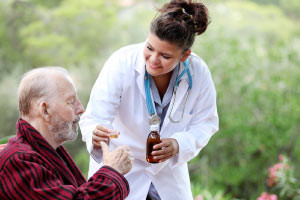
    • Discuss the numerous benefits of proper medication management
    • Recognise the legal consideration of medication administration
    • Identify the roles and responsibilities of healthcare professionals in medication management
    • Distinguish between the various medication administration methods
    • Recall safety guidelines to be followed when administering medications
    • Explain the importance and principles of accurate medication documentation
    • Explain how pediatric doses are typically determined and the need for careful calculation
    • Recall the different units of measurement with their uses in medication calculations
    • Recognise the standard formula used in healthcare to calculate medication dosages
    • Identify the correct formula for calculating the infusion rate in mL/hr
    • State safety standards healthcare professionals should adhere to when administering medications
    • Discuss important considerations for pregnancy medication
    Intermediate Level
    Certificate
    Also Available In
    Medication Management and Administration

    4,428 liked this course

    2 - 3 hrs 97,551 learners
  • Hazard Analysis Critical Control Points (HACCP)
    3 - 4 hrs 92,661 learners
    By Training Facility UK
    You Will Learn How To

    By the end of this course, you will be able to:

    • Define ‘HACCP’ and describe its history and purpose
    • Outline the seven basic principles of HACCP
    • Summarize the various categories of food safety hazards
    • Explain how to apply risk analysis to food safety
    • Describe the process of evaluating, managing, and communicating risk
    • Discuss required programmes and their importance in the HACCP plan
    • Explain how to implement and maintain your HACCP plan
    Advanced Level
    Certificate
    Also Available In
    Hazard Analysis Critical Control Points (HACCP)

    4,214 liked this course

    3 - 4 hrs 92,661 learners
  • Food Safety and Hygiene
    2 - 3 hrs 134,027 learners
    By Alpha Academy
    You Will Learn How To

    By the end of this course, you will be able to:
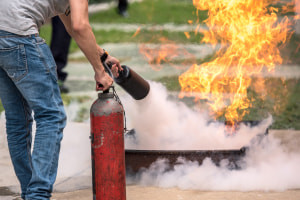
    • Identify foods with a high risk of contamination and individuals vulnerable to contaminated food
    • Outline the responsibilities of a food supervisor
    • Explain the importance of a food safety management system (FSMS)
    • Classify causes of food poisoning
    • Define ‘cross-contamination’
    • Recall methods for preventing food contamination
    • Illustrate the importance of temperature control to food safety
    • Identify some tools for monitoring food and kitchen temperature
    • Outline some proven methods of preventing food spoilage
    • Describe some considerations for designing functional catering premises
    • Identify some common pests that are likely to contaminate food
    • Describe the training requirements for different kinds of staff in a catering organization
    Beginner Level
    Certificate
    Also Available In
    Food Safety and Hygiene

    4,303 liked this course

    2 - 3 hrs 134,027 learners
  • Control of Substances Hazardous to Health (COSHH)
    3 - 4 hrs 7,032 learners
    By Mastermind Education
    You Will Learn How To

    By the end of this course, you will be able to:
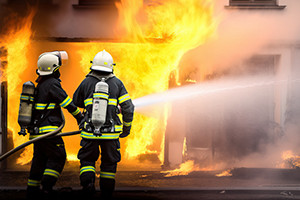
    • State the main objectives of Control of Substances Hazardous to Health (COSHH)
    • Recall the procedures for identifying hazardous substances in the workplace
    • Outline the key aspects of COSHH regulations
    • State the roles and responsibilities of employer and employee in COSHH
    • Summarize the procedures for conducting a COSHH risk assessment
    • Discuss the need for COSHH training and areas it should address
    • Outline the key components of safe storage in COSHH
    • Explain the procedures of a COSHH emergency response plan
    • Discuss the purpose of record-keeping in health surveillance
    • Recall common symptoms associated with hazardous substance exposure
    • Recognize various safety signs and their significance
    • Outline the key areas to focus on during COSHH reviews
    Intermediate Level
    Certificate
    Also Available In
    Control of Substances Hazardous to Health (COSHH)

    444 liked this course

    3 - 4 hrs 7,032 learners
  • Working Safely at Heights and Confined Spaces
    2 - 3 hrs 22,929 learners
    By Training Express
    You Will Learn How To

    By the end of this course, you will be able to:

    • Identify types of work that are regarded as working from height
    • Identify factors that trigger the risk of falls from working at height
    • Outline the factors to be considered when making plans for working at height
    • Explain the regulations contained in the Working at Height Regulation 2005
    • List the various methods for identifying possible hazards and dangers during a risk assessment
    • State the factors to be considered when ensuring the safety of roofing work
    • Distinguish between various personal protective equipment used in working from height
    • Discuss the most obvious things to look out for when inspecting work equipment
    • State the roles and responsibilities of employers and employees when dealing with confined spaces
    • Summarise the procedures involved in recording the findings of a risk assessment
    • Recognise the primary factor for successfully fulfilling work within a confined space
    • Discuss the measures that should be implemented to safeguard the rescuers
    Beginner Level
    Certificate
    Also Available In
    Working Safely at Heights and Confined Spaces

    1,103 liked this course

    2 - 3 hrs 22,929 learners
  • Health and Safety Hazards - Hazard Identification
    2 - 3 hrs 3,866 learners
    By Advance Learning - Health & Safety
    You Will Learn How To

    By the end of this course, you will be able to:

    • Outline the purpose of hazard identification
    • Identify potential dangers and behavior in the workplace
    • Arrange a job hazard assessment (JHA) for your business
    • List possible hazards to which your employees could be exposed 
    • Explain the obligation of an employer under Occupational Health and Safety (OSHA) guidelines
    • Describe what happens in a risk assessment and how to use a risk assessment matrix
    • Recognize the various types of analysis that you can do in the workplace
    • Outline the job analysis process
    • Compare which hazard analysis process is the most effective
    • Discuss who should conduct a ‘Process Hazard Analysis’ (PHC)
    • Explain who would benefit from a ‘Phase Hazard Analysis’
    Beginner Level
    Certificate
    Also Available In
    Health and Safety Hazards - Hazard Identification

    112 liked this course

    2 - 3 hrs 3,866 learners

Connect, Network & Grow With 50 Million+ Profesionals

Your Alison Profile connect you with a global network of over 50 million professionals. Grow your network, build a strong presence within your community, receive endorsements from peers, and use intuitive and free career development tools to get a step closer to your goals.


Get noticed, get hired, and advance your career.

Setup Your Profile Quickly, Land Your Dream Job

Setup profile.

Personalised prompts to make your profile more attractive

Showcase your achievements & personality instantly

Stay ahead with a profile that updates itself to reflect your growth