



Their curriculum emphasises key areas such as Environmental Quality Monitoring and Analysis, Solar Energy, and Wind Energy. Each course area is meticulously developed to provide comprehensive understanding and detailed explanations of key concepts. This ensures that learners grasp theoretical concepts that are vital for assessing enviro

After completing this course, you will:
- Explain how wind is produced by nature
- List the components of a typical horizontal axis wind turbine
- List the types of generators used in wind turbines
- Describe the process of grid integration and discuss the impact of a Wind Power Plant on the grid
- Identify how much of the world’s power is generated by wind power
- Compare and contrast the advantages and disadvantages of wind energy
- Discuss the costs associated with investing in wind turbines

By the end of this course, you will be able to:
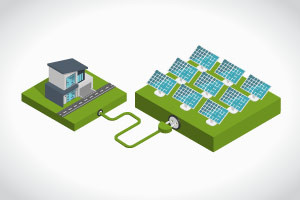
- Identify the uses of solar energy
- Describe photovoltaic and concentrated solar power systems
- Discuss the domestic, commercial and industrial use of solar energy
- Identify the world leaders in solar power
- Lay out the potential consequences of failing to adopt renewable energy
- Outline contemporary barriers to solar energy
- Explain how to install a photovoltaic system
- Break down how governments, action groups and communities can promote solar power

By the end of this course, you will be able to:
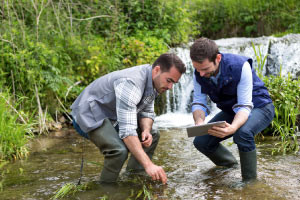
- Describe the environmental parameters of a risk assessment
- Explain the partition constants for different chemical classifications and systems under fate and transport
- Discuss environmental monitoring and sampling and the importance of quality assurance and quality control
- Explain environmental analysis of organics in water and mass in water, air and solids
- Explain the standard research methods that are used worldwide, including chromatography
- Explain the monitoring methods used for air measurement, particulate matter, vapor and the measurement of microorganisms

By the end of this course, you will be able to:

- Define the core principles and purpose of sustainable business practices
- Describe major global environmental challenges influencing modern enterprises
- Identify key sustainability frameworks guiding responsible business conduct
- Analyse how operational changes improve environmental and social performance
- Apply sustainability strategies to align daily operations with ethical goals
- Evaluate systems for monitoring progress and ensuring internal accountability
- Illustrate how innovation and technology drive sustainable transformation
- Describe global and market influences shaping sustainability priorities
- Assess long-term strategies that build resilience and responsible growth
- Summarise the interconnection between profit, people, and planet in business

By the end of this course, you will be able to:
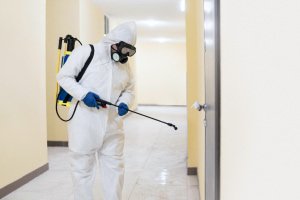
- Classify common pests by their biological characteristics and life cycles
- Identify the environmental and human factors that contribute to pest infestations
- Assess a site to detect, identify, and evaluate pest activity levels
- Compare chemical, biological, and organic pest control methods
- Apply Integrated Pest Management (IPM) principles to design a pest control plan
- Distinguish between pest management strategies for residential and commercial settings
- Evaluate the effectiveness of different mechanical and physical control techniques
- Outline the steps for implementing a monitoring programme for pest populations
- Recognise emerging challenges and innovations within the pest management industry
- Summarise best practices for long-term pest management success

By the end of this course, you will be able to:
- Outline the concept of biodiversity.
- Discuss species evolution through natural selection.
- Explain the benefits of biodiversity for humans.
- Describe the effects of habitat loss, exotic species, and hunting on biodiversity.
- Recognize the early and projected effects of climate change on biodiversity.
- Identify the legislative framework for conservation.
- List examples of the effects of habitat restoration.

By the end of this course, you will be able to:
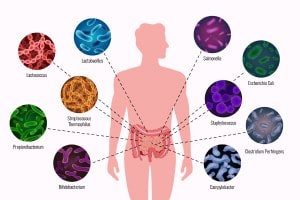
- Define microbiomes and their roles in human health and ecosystems.
- Describe host–microbe interactions across human and environmental systems.
- Distinguish between culture-based and sequencing-based microbiome analyses.
- Outline the influence of sampling and research methods on microbiome study results.
- Explain the role of metagenomics in revealing microbial diversity and function.
- Summarize the value of multi-omics approaches in microbiome research.

By the end of this course, you will be able to:
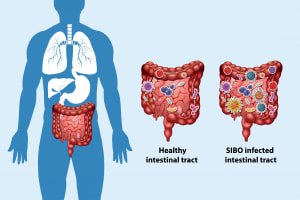
- Explain the role of the human microbiome in maintaining physiological homeostasis
- Recognize the different regional microbiomes in the human body
- Distinguish the key factors that influence microbiome composition
- Describe the contribution of dysbiosis to disease development
- Discuss the structure and functions of the gut microbiome
- Outline the common methods used to sample and analyze the gut microbiome
- Identify therapeutic approaches for microbiome restoration, including probiotics and fecal microbiota transplantation


Frequently Asked Questions
Once you have completed your purchase, your Digital Certificate/Digital Diploma and Transcript can be downloaded from the Dashboard of your Alison Account.
I access Alison via my computer:
Expand the Your Completed Courses & Claimed Certificates widget in your dashboard as shown below:
You will then be able to download your Digital Certificate/Diploma and Transcript. 
I access Alison via my Mobile Browser:
Expand the Your Completed Courses & Claimed Certificates widget in your Dashboard as shown below:
You will then be able to download your Digital Certificate/Diploma and Transcript. 
I access Alison via App:
Open My Certificates in your Dashboard, as shown in the example below:

You will then be able to download your Digital Certificate/Diploma and Transcript.

Continuing Professional Development, or CPD, is the process of continually developing or maintaining your professional skills. CPD helps individuals focus on how they can become a more competent and effective professional. Due to our rigorous publishing review process, courses on Alison are now being accredited by CPD UK, an independent organisation. Accredited CPD training means the learning activity has reached the required Continuing Professional Development standards and benchmarks, and the learning value has been scrutinised to ensure integrity and quality. This CPD Certification Service provides recognised independent CPD accreditation compatible with global CPD requirements. This means a certificate from a course on Alison can now be used as part of your CPD requirements (please check with your organisation’s guidelines). You can find out more about Alison accreditation here.
Users can pay a nominal fee to automatically download Digital Certificates or purchase paper or framed Certificates that are shipped via mail. For a more detailed list of the costs, visit the Shop page.