
Central to USAID's mission is to work towards ending extreme global poverty and help foster resilient and democratic societies which can realize their potential. USAID works in partnership with a diverse range of other government agencies, donors, foreign governments, the private sector and social enterprises such as Alison to promote equitable access to inclusive, quality education for all – especially the most marginalized and vulnerable.
Through Alison's far-reaching and popular platform, USAID has created a series of

By the end of this course, you will be able to:

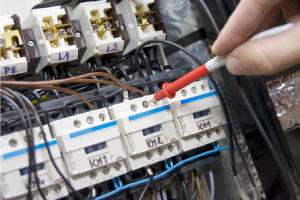
- Outline the basics of electrical wiring systems
- Identify the job requirements of the electrical trade
- Describe the effects of an electric shock
- List the safety standards and requirements specified by the
- Occupational Health and Safety Act (OSHA) in the United States
- Explain the ‘lockout’ or ‘tagout’ rule and when it should be used
- Lay out the safety rules to apply when working with ladders, overhead equipment, tools and hazardous materials
- Describe electrical power, charge and current
- Define Ohm's and Kirchhoff's laws for voltage

After successfully completing this course, you will be able to:
- State the uses of electrical device boxes
- Discuss the terms associated with device boxes
- Apply the steps involved in making a 90-degree bend
- Describe the basic procedure involved in using a segment bending device
- State the typical fasteners used to attach raceways
- Outline the proper methods of storing, handling, and installing raceways
- List the terms associated with conductors and electrical cables
- Identify the use of fish tapes, wire grips, pull lines, and pulling equipment in installing conductors into conduits

After successfully completing this course, you will be able to:
- List the plans and drawings that are included in electrical drawings
- Describe the various terms associated with electrical drawings
- Discuss the drawing layout, the common drafting lines, and the electrical symbols used in the trade
- Explain what is meant by scale drawings, power plans, lighting floor plans, electrical details and diagrams
- Describe electrical current testing instruments such as an ammeter and a galvanometer
- Summarize how a moving-coil meter operates
- Identify the purpose of testing equipment such as voltmeter, ohmmeter, multimeter
- List the difference between an analog and a digital voltmeter

By the end of this course, you will be able to:
- Outline the history and scope of carpentry
- Identify the opportunities for carpenters in the construction industry
- Classify the various building materials they use
- List the most commonly used fasteners and adhesives used in woodworking
- Explain the different types of carpentry hand and power tools
- Outline their general safety procedures and guidelines
- Discuss the importance of employee responsibility and human relations to being successful in the trade

By the end of this course, you will be able to:

- Identify the various types of construction drawings that make a drawing set
- State the guidelines to read and interpret reading plans and drawings, blueprints, and specifications
- List the various terms associated with floor systems, wall, ceiling and roof framing
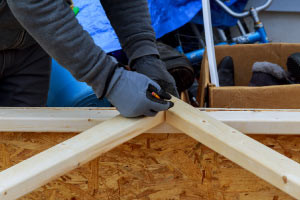
- Explain the different methods of framing and constructing houses made of wood
- Describe the types of beams/girders and supports used in construction
- Outline the sequence involved in constructing a platform floor assembly
- Summarize the basic procedure for laying out, assembling, and erecting wood frame walls
- Recognize the different types of roofs used in residential construction
- Recall the length of a common rafter required to construct a roof

Having completed this course, the learner will be able to:
- Discuss the terms associated with concrete, concrete reinforcing materials, and formwork
- Apply the concrete mixing information to get different types of concrete, designed to suit various purposes
- Explain the basic concrete curing methods and materials
- List the various components of windows, exterior doors, and stairways used in residential construction
- Summarize the basic installation procedure for pre-hung windows
- State the various types of exterior doors used in residential construction
- Identify the essential requirements for framing stairs
- Describe the design and layout techniques used for stairways and stairwells

Having completed this course the learner will be able to:
- Describe the history and scope of carpentry as a trade
- Identify the opportunities for carpenters in the construction industry
- Classify the various building materials used by carpenters
- List the most commonly used fasteners and adhesives used by people in the carpentry trade
- Explain the different types of hand and power tools

By the end of this course, you will be able to:
- Recognize the importance of plumbing as a profession
- Discuss the personal protective equipment and safety signs
- Explain the advantages and disadvantages of different materials in plumbing
- Describe tools for measuring and layout, levelling, cutting, drilling, assembling, and more
- Summarize the history of plumbing
- Outline the different diagrams that plumbers encounter


Preguntas frecuentes
Once you have completed your purchase, your Digital Certificate/Digital Diploma and Transcript can be downloaded from the Dashboard of your Alison Account.
I access Alison via my computer:
Expand the Your Completed Courses & Claimed Certificates widget in your dashboard as shown below:
You will then be able to download your Digital Certificate/Diploma and Transcript. 
I access Alison via my Mobile Browser:
Expand the Your Completed Courses & Claimed Certificates widget in your Dashboard as shown below:
You will then be able to download your Digital Certificate/Diploma and Transcript. 
I access Alison via App:
Open My Certificates in your Dashboard, as shown in the example below:

You will then be able to download your Digital Certificate/Diploma and Transcript.

Continuing Professional Development, or CPD, is the process of continually developing or maintaining your professional skills. CPD helps individuals focus on how they can become a more competent and effective professional. Due to our rigorous publishing review process, courses on Alison are now being accredited by CPD UK, an independent organisation. Accredited CPD training means the learning activity has reached the required Continuing Professional Development standards and benchmarks, and the learning value has been scrutinised to ensure integrity and quality. This CPD Certification Service provides recognised independent CPD accreditation compatible with global CPD requirements. This means a certificate from a course on Alison can now be used as part of your CPD requirements (please check with your organisation’s guidelines). You can find out more about Alison accreditation here.
Users can pay a nominal fee to automatically download Digital Certificates or purchase paper or framed Certificates that are shipped via mail. For a more detailed list of the costs, visit the Shop page.