







Intermediate Level
Diploma in Power Protection and Switchgear
-Learners already enrolled
 Avg. Hours
 CPD Accredited
 Certify Now

Certify Now
Confident you have the skills to certify without completing the course content?
Diploma in Power Protection and Switchgear
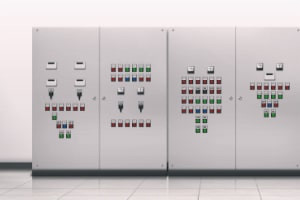
Learn about protecting the components of a power system and using electrical switchgear in this free online course.
Switchgears protect electrical equipment from overloading. This course teaches you all about the carrier-aided schemes used to protect transmission lines and cables and the features of auto-reclosing. Study t...Switchgears protect electrical equipment from overloading. This course teaches you all about the carrier-aided schemes used to protect transmission lines and cables and the features of auto-reclosing. Study the schemes used in protecting transformers, generators, motors, and busbars. The protection of these key components of a power system is imperative, therefore the knowledge acquired in this course will be a crucial addition to your resume.
COURSE PUBLISHER-
Start Course NowCertify Now
Certify NowCertify Now
Confident you have the skills to certify without completing the course content?


 Total XP:
 What You Will Learn In This Free Course
- -
- -
- -
- -
 Knowledge & Skills You Will Learn

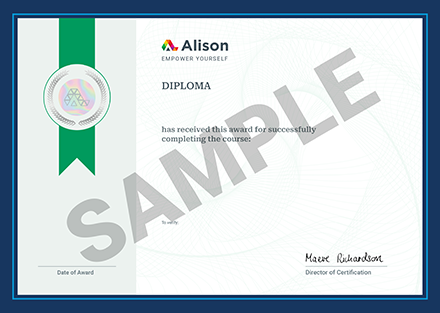
Complete This CPD Accredited Course & Get Your Diploma!
![]()
Certify Your Skills
A CPD accredited Alison Diploma/Certificate certifies the skills you’ve learned![]()
Stand Out From The Crowd
Add your Alison Certification to your resumé and stay ahead of the competition![]()
Advance in Your Career
Share your Alison Certification with potential employers to show off your skills and capabilities


Learner Reviews & Feedback
Diploma in Power Protection and Switchgear
View More Reviews
Back to top
Back to course information
Want to create a customised learning path for your team?
Our dedicated Learning Advisors are here to help you curate a customised learning path tailored to your organisation's needs and goals.
Not sure where to begin?

Discover the career most suitable for you and get started in the field with a step-by-step plan.
Get your Plan


