







Advanced Level
Diploma in Orthographic Projections in Engineering Graphics and Design
-Learners already enrolled
 Avg. Hours
 Contains Video
 CPD Accredited
Diploma in Orthographic Projections in Engineering Graphics and Design
Master orthographic projections used to draw in three dimensions in this free online technical drawing course.
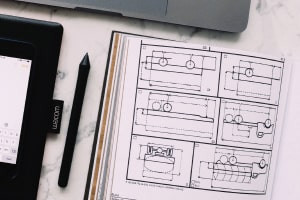
This free online technical drawing course covers the fundamentals of orthographic projection. We go step by step through the visualisation of views and projections of shapes and objects (called ‘solids’) ...This free online technical drawing course covers the fundamentals of orthographic projection. We go step by step through the visualisation of views and projections of shapes and objects (called ‘solids’) and explain how to draw them correctly. This course offers a great way to expand your visual skills and techniques to boost your engineering career.
COURSE PUBLISHER-


 Total XP:
 What You Will Learn In This Free Course
- -
- -
- -
- -
 Knowledge & Skills You Will Learn
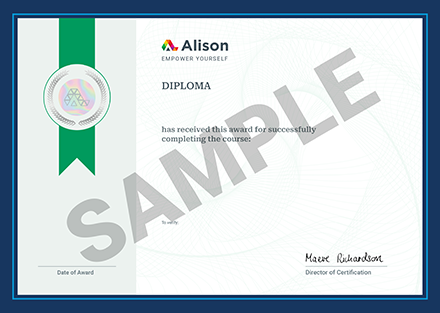
 Complete This CPD Accredited Course & Get Your Diploma!
![]()
Certify Your Skills
A CPD accredited Alison Diploma/Certificate certifies the skills you’ve learned![]()
Stand Out From The Crowd
Add your Alison Certification to your resumé and stay ahead of the competition![]()
Advance in Your Career
Share your Alison Certification with potential employers to show off your skills and capabilities


Learner Reviews & Feedback
Diploma in Orthographic Projections in Engineering Graphics and Design
View More Reviews
Back to top
Back to course information
Want to create a customised learning path for your team?

Our dedicated Learning Advisors are here to help you curate a customised learning path tailored to your organisation's needs and goals.
Not sure where to begin?

Discover the career most suitable for you and get started in the field with a step-by-step plan.
Get your Plan


