
Key areas of focus for Advance Learning include caregiving techniques, understanding and managing dementia, addressing the opioid crisis, and offering insights into common ailments like diabetes and hepatitis. Their curriculum is designed to not only impart theoretical knowledge but also to provide practical applications and contemporary solutions in these cru

By the end of this course, you will be able to:

- Outline the fundamental roles and responsibilities of the caregiver within a person-centred care framework
- Explain the legal and ethical responsibilities of caregivers in safeguarding individuals and protecting their rights
- Describe infection prevention, nutrition, hydration, and strategies that promote health and wellbeing
- Apply appropriate emergency response techniques and safety practices to protect individuals in the care environment
- Discuss common types, features and progression of dementia and person-centred approaches to promote quality of life
- Describe basic body-system functions, health conditions, disabilities, age-related changes and their impact on care
- Apply compassionate care approaches to support comfort, dignity, and emotional needs during end-of-life care
- Explain how carers adapt communication and support to meet diverse physical, mental, cultural and religious needs

By the end of this course, you will be able to:
- Discuss the spread of HIV and AIDS
- Explain ways to spread awareness, prevention and control of AIDS
- Describe the impact of AIDS in different countries
- Discuss Thailand’s AIDS Education programme
- List some misconceptions about HIV and AIDS
- Recall ways to protect yourself from HIV infection

Having completed this course you will be able to:
- Outline the causes, effects and treatments of the disease
- List signs and symptoms of the disease
- Summarize protocols for containing and limiting transmission of the Ebola virus
- Summarize protocols for treating the Ebola disease
- Discuss World Health Organisation recommended precautions, designed to halt or slow down the Ebola disease
- Summarize the use of 'ring vaccination', as part of a wider treatment strategy

Having completed this course you will be able to:
- Explain the importance of occupational hygiene
- Define how the skin plays an important role in protecting our bodies
- Describe different skin disorders
- Identify the functions of the musculoskeletal system
- Explain the functions of the nervous system
- Describe what the endocrine system does
- Explain the role of other parts of the body
- Describe the three main routes of entry of toxins into the body
- Explain the role of metabolism
- Identify examples of hazardous substances
- Distinguish between a hazard and a risk
- Explain the process of assessing health risks

By the end of this course, you will be able to:
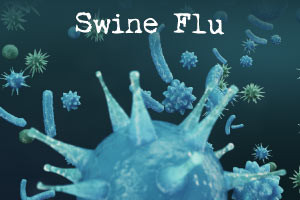
- Define what Swine influenza (swine flu) and 'variant' influenza viruses are
- Explain how variant influenza viruses can be transmitted
- Describe what an influenza 'pandemic' is and how it can occur
- Compare the symptoms of influenza with those of a common cold
- Summarise the procedures and protocols for minimising the spread of Swine flu
- Outline the role of vaccines and anti-viral medicines, in the treatment of influenza

By the end of this course, you will be able to:
- Explain the functions of occupational hygiene
- Identify examples of hazardous substances
- Explain the process of assessing health risks
- Describe the types of air cleaning devices
- List the three physical states of matter
- Define the process for sampling airborne particulates, gases, and vapours
- Explain the three main categories of biological agents and the differences between them
- Explain the psychological responses to the thermal environment
- List the various types of non-ionising and ionising radiation
- Explain how occupational hygiene affects your personal development

Having completed this course you will be able to:

- Define the roles and responsibilities of a carer.
- Describe the various legal issues that carers must be familiar with when they work with clients.
- Develop the skills necessary to communicate effectively with all members of the care service team.
- Develop an understanding of how to communicate with individuals with various disabilities.
- Discuss the correct etiquette when working with a wheelchair-bound client.
- Outline the causes and effects of stress and the most efficient ways of preventing and managing it.
- Develop the time management and organizational skills necessary to provide efficient care for clients.

By the end of this course, you will be able to:
- Define dementia and differentiate common forms of dementia by their typical features and symptoms
- Describe common symptoms and changing support needs across the early, middle and late stages of Alzheimer’s disease
- Describe ways to support families and care partners following a dementia diagnosis
- Describe common behaviour and communication changes experienced by people living with dementia
- Describe person-centred dementia care and the role of dignity, choice, comfort, and personal history in good support
- Recognise changed behaviour as possible communication of distress, pain, fear, unmet needs, or environmental stress
- Identify the care worker's role and limits in observing, supporting, documenting and reporting changes
- Select respectful verbal and non-verbal communication techniques when supporting people living with dementia
- Explain how to work respectfully with families, friends, care partners and wider care teams
- Select meaningful activities and psychosocial approaches that reflect the person’s needs and preferences
- Discuss young-onset dementia and how age, roles, relationships and responsibilities may influence support needs
- Explain how appropriate assistive technologies can help support orientation, communication and independence


Frequently Asked Questions
Once you have completed your purchase, your Digital Certificate/Digital Diploma and Transcript can be downloaded from the Dashboard of your Alison Account.
I access Alison via my computer:
Expand the Your Completed Courses & Claimed Certificates widget in your dashboard as shown below:
You will then be able to download your Digital Certificate/Diploma and Transcript. 
I access Alison via my Mobile Browser:
Expand the Your Completed Courses & Claimed Certificates widget in your Dashboard as shown below:
You will then be able to download your Digital Certificate/Diploma and Transcript. 
I access Alison via App:
Open My Certificates in your Dashboard, as shown in the example below:

You will then be able to download your Digital Certificate/Diploma and Transcript.

Continuing Professional Development, or CPD, is the process of continually developing or maintaining your professional skills. CPD helps individuals focus on how they can become a more competent and effective professional. Due to our rigorous publishing review process, courses on Alison are now being accredited by CPD UK, an independent organisation. Accredited CPD training means the learning activity has reached the required Continuing Professional Development standards and benchmarks, and the learning value has been scrutinised to ensure integrity and quality. This CPD Certification Service provides recognised independent CPD accreditation compatible with global CPD requirements. This means a certificate from a course on Alison can now be used as part of your CPD requirements (please check with your organisation’s guidelines). You can find out more about Alison accreditation here.
Users can pay a nominal fee to automatically download Digital Certificates or purchase paper or framed Certificates that are shipped via mail. For a more detailed list of the costs, visit the Shop page.